From Idea to Execution: Our Complete Deck Construction Process
Deck construction includes a series of important phases, every one crafted to realize a creative vision. It begins with understanding personal preferences and extends into thoughtful material selection and comprehensive planning. Compliance with local regulations is essential to guarantee a smooth project. Quality and precision remain the primary focus throughout the construction phase. With each step forward, carefully considered upgrades enhance the overall area. What details will define the character of this outdoor haven? Clarity will emerge with each subsequent step.
What's Your Dream Deck Look Like?
What characteristics make up a perfect deck for a homeowner? An ideal deck typically embodies personal style and functional needs. Visual elements may encompass color schemes, railings, and flooring materials that harmonize with the property's overall design. The overall design serves a critical purpose; be it a generous space for hosting guests or a quiet retreat for personal reflection, the design should cater to specific activities.
Furthermore, features such as built-in seating, shade structures, or lighting elevate both practicality and aesthetic appeal. Taking the surrounding landscape into account is crucial, as the deck needs to flow effortlessly with the outdoor setting while providing views and accessibility.
Functionality is paramount; the deck must withstand weather conditions and host diverse social occasions. Ultimately, the ideal deck merges elegance, purpose, and resilience, creating an outdoor space that reflects the owner's unique needs and desires. In this way, it becomes not just an addition to the property, but a tailored outdoor haven.
Choosing Quality Materials for Your Deck Building Project
Picking high-quality materials is critical to achieving a ideal outdoor deck. The choice of materials greatly affects the deck's lifespan, aesthetics, and maintenance requirements. Widely used options include pressure-treated wood, composite decking, and natural hardwoods, each offering distinct advantages. Pressure-treated lumber is affordable and resilient, suitable for a range of environments. Composite decking, made from reclaimed wood fibers and plastics, provide easy care and resistance to rot and insects, rendering them an appealing choice for countless property owners. Premium hardwoods, while pricier, provide unparalleled beauty and strength, best suited to those desiring a high-end appearance. Moreover, railings, decking boards, and fasteners should be picked thoughtfully, making sure they enhance the full visual scheme while preserving structural soundness. Ultimately, committing to high-quality materials will elevate the deck's functionality and beauty, ensuring it remains a beloved outdoor useful tips retreat for many years ahead.
Designing Your Deck Layout and Key Features
When considering a deck layout and design features, it is essential to assess the outdoor space to maximize effective use. Thoughtful selection of materials can elevate both appearance and performance. Additionally, designing a layout that accommodates various activities will enhance overall satisfaction and function.
Analyzing Your Outdoor Space
How does one effectively assess their outdoor space before initiating a deck-building project? The first step involves assessing the dimensions of the area to establish the size and configuration that will best suit a deck. Evaluating existing structures, such as pathways, trees, and fencing, is critical for confirming the design harmonizes with the surroundings. Additionally, evaluating natural light conditions can influence the placement of the deck for ideal shading or sun exposure. Determining the intended purpose of the deck—whether for relaxation, entertaining, or gardening—further informs the layout and features. Finally, taking local zoning regulations and potential permits into account guarantees compliance and avoids future complications. This comprehensive assessment provides a reliable groundwork for a successful deck design.
Selecting Materials Carefully
A successful deck begins with selecting the right materials, as this decision impacts both aesthetics and durability. Various materials are available, each offering unique benefits and drawbacks. Natural wood delivers a warm, timeless aesthetic but requires regular maintenance to prevent rot and fading. Composite decking, crafted from recycled components, provides durability and minimal upkeep, yet it may fall short of capturing wood's genuine aesthetic. PVC decking presents an additional choice, celebrated for its durability against water and discoloration, making it ideal for humid climates. Moreover, railing systems and decorative elements should align with the chosen materials, improving the complete visual appeal. Ultimately, selecting materials that align with the desired style, maintenance preferences, and environmental considerations is essential for a successful deck project.
Creating Functional Layouts
A well-designed deck layout improves both comfort and utility of outside areas. When designing a deck, it is important to take into account the intended use, whether for welcoming guests, enjoying leisure, or tending to plants. Essential components such as furniture placement, access routes, and sun protection should be deliberately situated to optimize usability and relaxation.
Integrating multiple zones can help delineate areas for dining, lounging, and cooking, facilitating a seamless flow between functions. Furthermore, the positioning of the deck relative to the sun and prevailing winds can influence design choices, ensuring ideal conditions throughout the year.
Fundamentally, a functional layout not only represents the home owner's way of living but also works beautifully with the surrounding environment, establishing a harmonious continuation of the home that is both useful and beautiful.
Secure Your Permits and Understand Local Regulations
Before beginning construction, it is important to look into local regulations that govern deck building. Being aware of these rules helps secure compliance and sidestep potential penalties. Additionally, obtaining the necessary permits is a critical step in the deck building process.
Research Local Regulations
How can homeowners confirm their deck installation project adheres to local laws? The first step involves careful research into local regulations governing deck construction. Homeowners should check municipal websites or speak with local building departments to familiarize themselves with specific zoning laws, setback requirements, and height restrictions. Additionally, they must be knowledgeable of any homeowners association (HOA) regulations that may add further limitations. Local codes often dictate materials, safety standards, and construction methods, so complete understanding is essential. Engaging with neighbors can also shed light on past projects and potential challenges. By actively collecting this information, homeowners can ascertain their deck design meets legal requirements, ultimately paving the way for a more efficient construction experience and avoiding potential disputes or penalties.
Get the Required Permits
Obtaining the required permits is a critical step in the deck building process. It guarantees compliance with local rules and safety standards. Residents must first contact their local authorities to identify specific requirements, as these can vary markedly by location. Generally, permits may involve presenting detailed plans, including materials and dimensions, to local authorities for official approval. This stage often includes official inspections to confirm that the construction adheres to zoning laws and building codes. Neglecting to acquire the appropriate permits can result in financial penalties, forced removal of the structure, or project timeline setbacks. Therefore, securing the necessary documents and understanding local regulations is imperative for a successful and legally compliant deck installation.
Building Your Deck: Step-by-Step Process
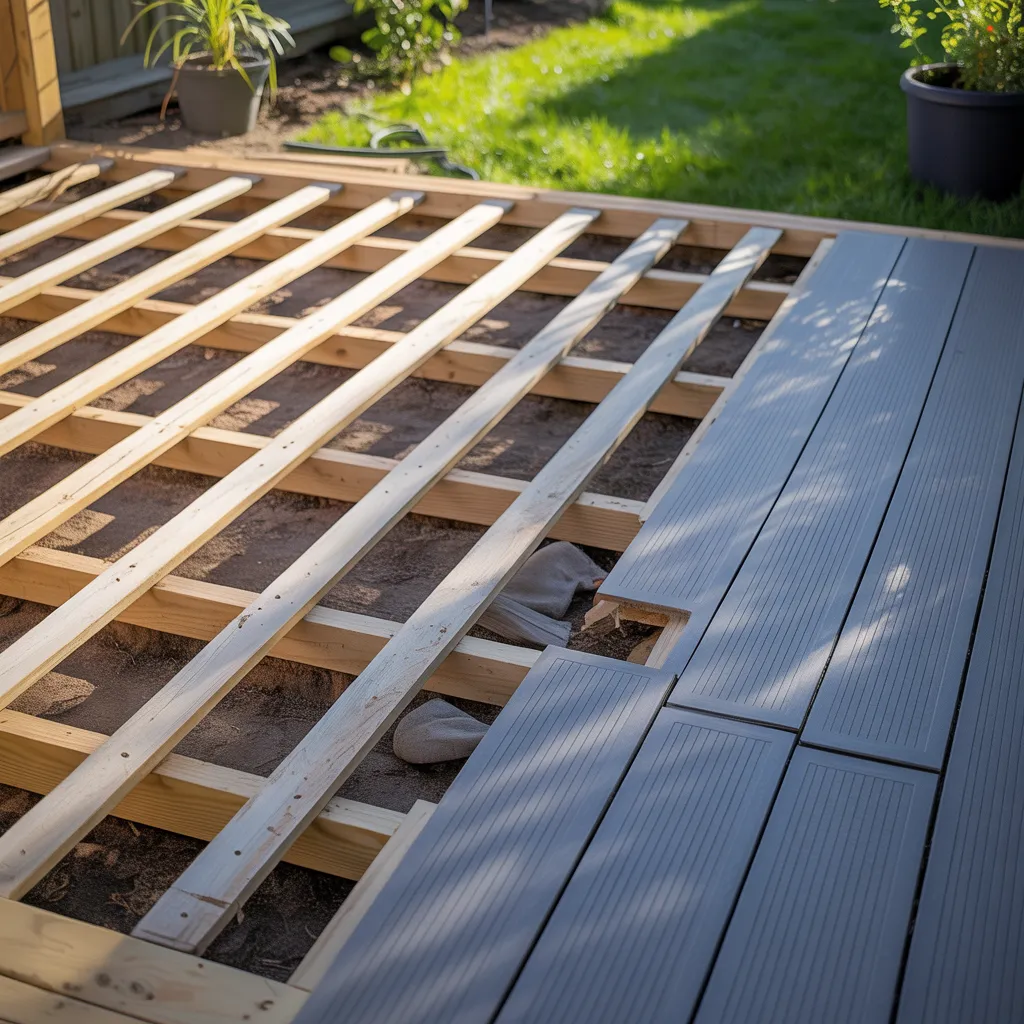
Creating a deck demands a precise and organized approach that ensures a sturdy and visually appealing structure. The workflow begins with preparing the site, which includes eliminating waste and evening the terrain. Subsequently, the foundation is laid, commonly utilizing concrete footings to secure stability. Once the footings are set, the copyright board is fastened to the house, creating a firm attachment for the deck.
Subsequently, the framing is established using treated structural lumber, which includes joists and beams to support the deck surface. When the framing is finished, the decking planks are laid down, often laid out in a pattern that maximizes aesthetic appeal. Railings are then added for both safety and visual appeal, ensuring compliance with local regulations.
Ultimately, the deck undergoes inspection to ensure the integrity of the structure. In this critical phase, meticulous attention to detail is vital, as it sets the foundation for a resilient outdoor environment that can withstand the forces of nature.
Customizing Your Deck: Decor and Accessories
What factors can turn an ordinary deck into a customized sanctuary? Well-selected decor and accessories are essential to achieving this change. Patio furniture, including elegant lounge chairs and dining sets, establishes an inviting environment. Adding soft furnishings like pillows and throws in lively hues or prints brings warmth and decorative interest.
Lighting is another essential aspect; string lights or lanterns are capable of establishing a cozy atmosphere for nighttime get-togethers. Potted plants or vertical gardens not only improve the overall look but also incorporate natural features that can reduce the harshness of solid surfaces.
Personalized details, such as personalized signs or distinctive artwork, demonstrate individual flair and make the space truly one's own. Additionally, integrating functional features like fire pits or outdoor kitchens can enhance the deck's functionality, transforming it into a preferred destination for leisure and gatherings. Overall, these components unite to establish a distinctive and tailored outdoor escape.
Common Questions and Answers
How Much Time Does the Complete Deck Building Process Typically Take?
The full deck building timeline usually requires two to six weeks in total, influenced by factors such as weather conditions, material availability, and design complexity. Each project is unique, influencing the overall timeline considerably.
What Can You Expect to Pay for a Custom Deck?
The typical cost range for a custom deck differs significantly, generally falling between $15 and $50 per square foot, depending on materials, design complexity, and regional labor rates, affecting the overall budget substantially.
Are Warranties Available for Your Deck Construction?
Absolutely, warranties are offered on deck construction, offering protection from defects and delivering peace of mind. The specific terms and length of coverage may vary, giving customers the flexibility to choose coverage that aligns with their personal needs and preferences.
Can a Deck Be Built During the Winter Months?
Yes, constructing a deck in the winter season is achievable, but it calls for special attention. Cold temperatures can affect the materials and installation methods, so careful planning and appropriate techniques are essential for optimal building in winter.
How Are Unexpected Challenges Handled During Construction?
Unexpected issues during construction are addressed through proactive communication, on-site assessments, and flexible problem-solving strategies. The team evaluates alternatives, collaborates with clients, and implements effective solutions to minimize disruptions and maintain project timelines.